Creating a successful fragrance product requires more than selecting a pleasant scent. A professional custom fragrance development process combines creativity, technical expertise, ingredient knowledge, testing, and manufacturing capability.
For brands that want to launch unique fragrance products, working with an experienced fragrance manufacturer can help transform an initial idea into a stable, market-ready solution.
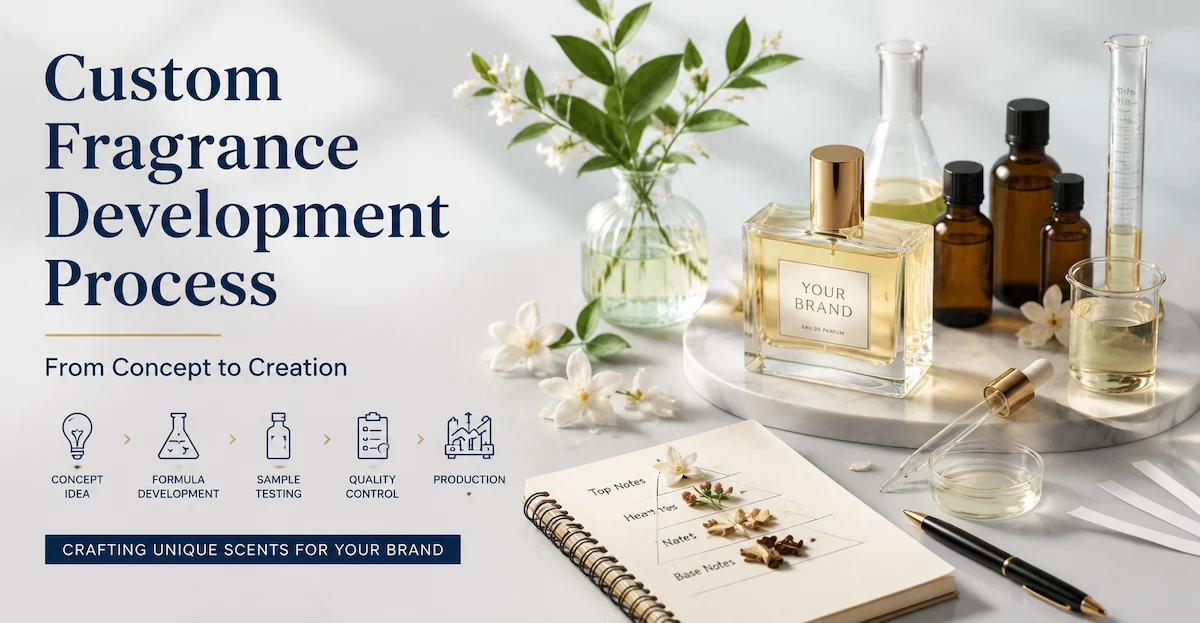
A complete development process usually includes:
- Brand and market analysis
- Fragrance concept creation
- Formula development
- Sample evaluation
- Performance testing
- Formula optimization
- Mass production
Understanding the complete fragrance development process allows brands to better evaluate potential suppliers and choose the right manufacturing partner.
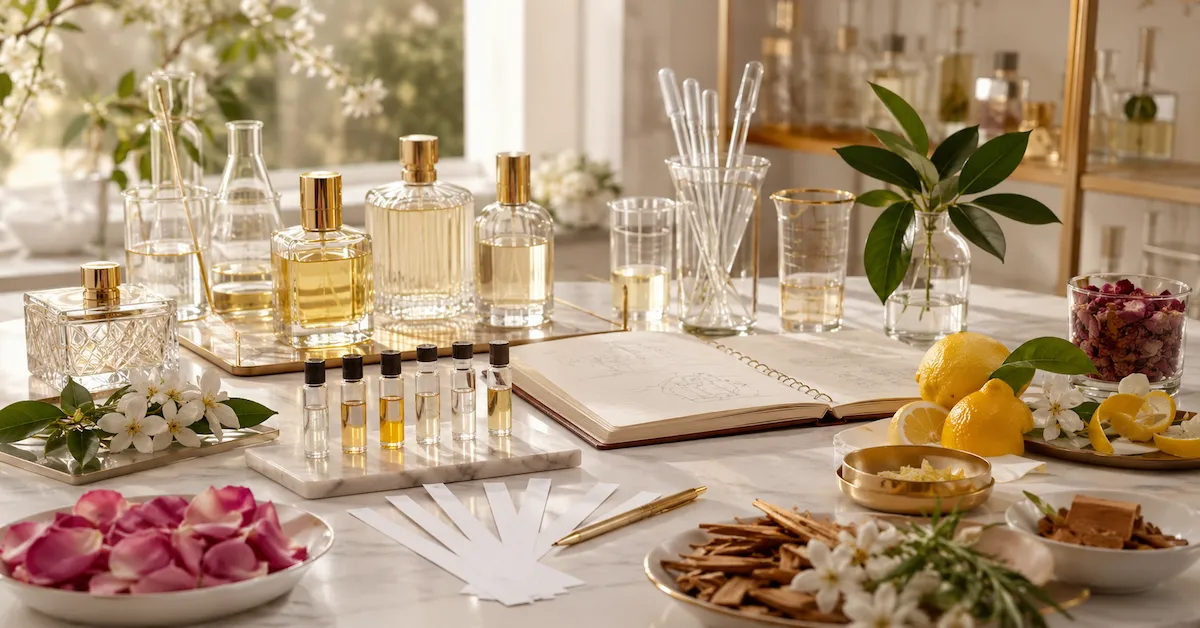
Why Brands Need Custom Fragrance Development
Creating a Unique Brand Identity
Fragrance has strong emotional connections with consumers.
A unique scent can help brands:
- Improve product recognition
- Build customer loyalty
- Differentiate from competitors
- Create memorable experiences
For example:
A luxury hotel may develop a signature scent that customers associate with the brand experience, while a skincare company may create a soft and refreshing fragrance that matches its product positioning.
Developing Products for Specific Markets
Different markets have different fragrance preferences.
A professional fragrance manufacturer can help brands develop scents based on:
- Consumer preferences
- Regional trends
- Product categories
- Target customer profiles
Examples:
European markets may prefer elegant and minimalist fragrance styles, while other markets may prefer stronger and more distinctive scent profiles.
Improving Product Performance
Custom fragrance development is not only about scent creativity.
Manufacturers also consider:
- Product compatibility
- Fragrance stability
- Release performance
- Storage conditions
A fragrance used in shampoo requires different technical considerations compared with fragrance used in candles or laundry products.
Step 1: Fragrance Concept and Brand Positioning
The first stage of custom fragrance development is defining the product concept.
Before creating formulas, manufacturers need to understand the brand vision.
Important information includes:
- Brand positioning
- Target customers
- Product category
- Market expectations
- Preferred fragrance style
Developing a Fragrance Brief
A fragrance brief helps translate business goals into technical requirements.
A typical fragrance brief includes:
| Item | Description |
|---|---|
| Brand Identity | Luxury, natural, youthful, premium, etc. |
| Target Market | Customer group and region |
| Product Application | Perfume, skincare, home care, hotel |
| Scent Direction | Fresh, floral, woody, oriental |
| Performance Requirements | Long-lasting, soft, strong, balanced |
A detailed fragrance brief improves communication between brands and manufacturers.
Step 2: Fragrance Formula Creation and Development
After defining the concept, fragrance experts begin formula development.
A professional fragrance manufacturer combines creativity with technical knowledge to create balanced scent structures.
Understanding Fragrance Notes
Most fragrances are built around three layers:
Top Notes
Top notes create the first impression.
Common examples:
- Citrus
- Fresh notes
- Green notes
Middle Notes
Middle notes define the main character of the fragrance.
Common examples:
- Floral
- Fruity
- Spicy
Base Notes
Base notes provide depth and long-lasting performance.
Common examples:
- Woody
- Musk
- Amber
A skilled perfumer balances these layers to create a complete fragrance experience.
Ingredient Selection
Formula development requires careful selection of:
- Fragrance oils
- Aroma compounds
- Natural extracts
- Functional ingredients
Different applications require different formula strategies.
For example:
Laundry fragrance requires durability, while skincare fragrance requires compatibility and safety.
Step 3: Fragrance Sample Development
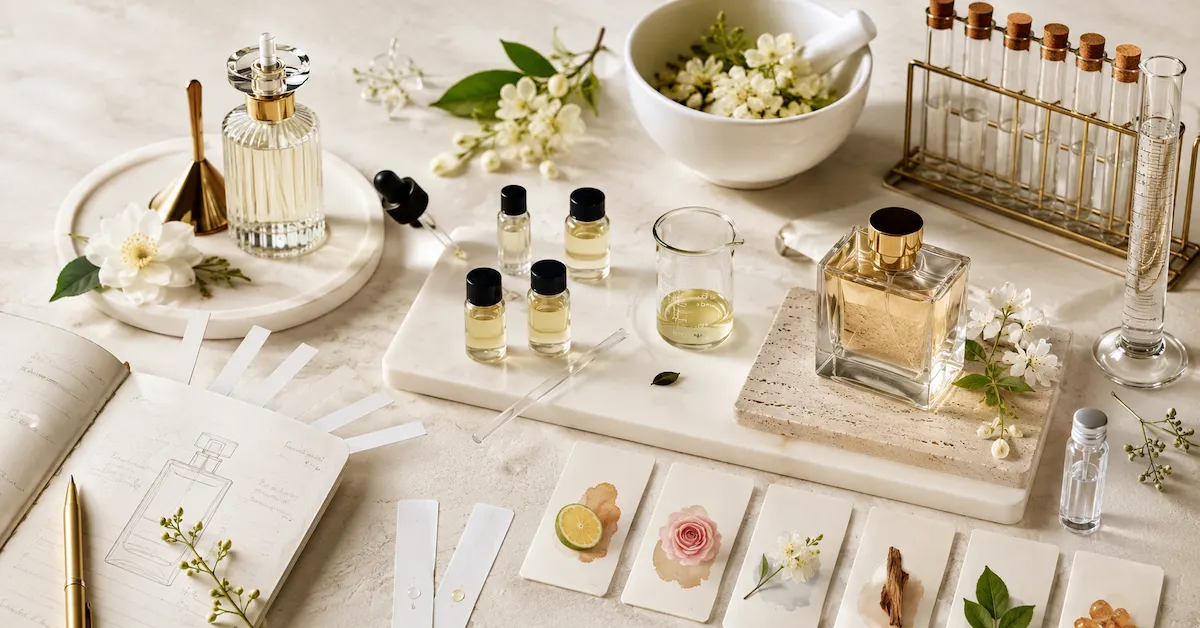
After creating an initial formula, manufacturers prepare fragrance samples for evaluation.
A professional sample process usually includes multiple stages.
Initial Sample Creation
The manufacturer develops sample options based on:
- Customer requirements
- Market positioning
- Desired fragrance style
Customer Evaluation
Brands review samples based on:
- Scent preference
- Product suitability
- Consumer expectations
Formula Adjustment
Based on feedback, manufacturers optimize:
- Fragrance intensity
- Note balance
- Performance
- Cost structure
This process helps ensure the final fragrance matches the brand’s expectations.
Step 4: Fragrance Testing and Evaluation
After developing fragrance samples, testing and evaluation are essential steps to ensure the formula meets commercial requirements.
A professional custom fragrance development process does not end after creating an attractive scent. The fragrance must also perform well in real product applications.
Key evaluation factors include:
- Scent quality
- Stability
- Product compatibility
- Performance consistency
- Consumer experience
Sensory Evaluation
Sensory evaluation helps fragrance experts analyze:
- Overall scent impression
- Fragrance balance
- Intensity
- Longevity
- Emotional response
Professional evaluation considers different fragrance stages:
| Evaluation Stage | Purpose |
|---|---|
| Initial Impression | Evaluate first scent perception |
| Middle Development | Analyze fragrance balance over time |
| Dry Down Performance | Check long-lasting characteristics |
| Overall Experience | Confirm market suitability |
This process helps manufacturers ensure the fragrance delivers the expected customer experience.
Stability Testing
Fragrance stability testing verifies whether a fragrance maintains consistent performance under different conditions.
Common testing methods include:
| Testing Method | Purpose |
|---|---|
| Temperature Testing | Evaluate performance under heat conditions |
| Storage Testing | Check long-term stability |
| Light Testing | Measure resistance to light exposure |
| Aging Testing | Evaluate fragrance changes over time |
For example:
A fragrance used in skincare products must remain stable inside cosmetic formulas, while laundry fragrance must maintain performance after washing.
Compatibility Testing
Different product categories require different fragrance formulations.
A professional manufacturer tests fragrance compatibility with:
- Shampoo bases
- Skincare formulas
- Cleaning products
- Laundry products
- Air freshener systems
Poor compatibility may cause:
- Color changes
- Formula separation
- Reduced fragrance performance
- Product instability
Therefore, compatibility testing is an important part of reliable fragrance development.
Step 5: Formula Optimization and Final Approval
After testing, fragrance developers optimize the formula based on customer feedback and performance results.
Optimization may include:
- Adjusting fragrance intensity
- Balancing fragrance notes
- Improving stability
- Optimizing ingredient ratios
- Controlling production costs
Sample Approval Process
A typical approval workflow includes:
| Stage | Activity |
|---|---|
| Sample Review | Customer evaluates fragrance samples |
| Feedback Collection | Identify improvement requirements |
| Formula Adjustment | Modify fragrance composition |
| Final Confirmation | Approve production formula |
Once approved, the final fragrance formula becomes the standard for mass production.
A structured approval process reduces risks and ensures that the final product matches the original brand concept.
Step 6: Commercial Production and Quality Control
After formula approval, the project moves into commercial production.
A professional custom fragrance manufacturer should have a complete production system to ensure consistent quality.
Production Preparation
Before manufacturing, suppliers prepare:
- Approved fragrance formula
- Raw materials
- Production schedule
- Quality inspection standards
Fragrance Manufacturing Process
The production process usually includes:
- Raw material inspection
- Accurate ingredient weighing
- Formula blending
- Maturation process
- Filtration
- Quality testing
- Packaging and delivery
A complete production workflow helps maintain consistency between sample batches and commercial orders.
Quality Control System
Quality control is essential for brands that require reliable long-term supply.
Important QC procedures include:
| QC Stage | Inspection Purpose |
|---|---|
| Raw Material Inspection | Verify ingredient quality |
| Formula Verification | Confirm approved composition |
| Batch Testing | Maintain consistency |
| Final Inspection | Ensure finished product quality |
A reliable fragrance manufacturer should also provide supporting documents such as:
- IFRA Certificate
- SDS
- COA
These documents help brands meet international market requirements.
Step 7: Packaging and Market-Ready Solutions
Custom fragrance development often extends beyond formula creation.
Many brands require complete solutions including:
- Bottle selection
- Packaging design
- Label customization
- Product positioning
Private Label Fragrance Solutions
Private label services allow businesses to launch fragrance products under their own brand name.
Suitable customers include:
- New fragrance brands
- Beauty companies
- Retailers
- Lifestyle brands
A professional supplier can support:
- Fragrance development
- Product customization
- Packaging coordination
- Production management
Brands looking for complete scent solutions can explore custom fragrance solutions to understand available development options.
Custom Fragrance Development vs Stock Fragrance
When selecting fragrance products, brands often compare custom fragrance development with ready-made fragrance options.
| Factor | Custom Fragrance Development | Stock Fragrance |
|---|---|---|
| Formula | Created for specific requirements | Pre-existing formula |
| Brand Differentiation | High | Limited |
| Customization | Extensive | Low |
| Development Time | Longer | Faster |
| Brand Identity | Strong | General market positioning |
When Should Brands Choose Custom Fragrance Development?
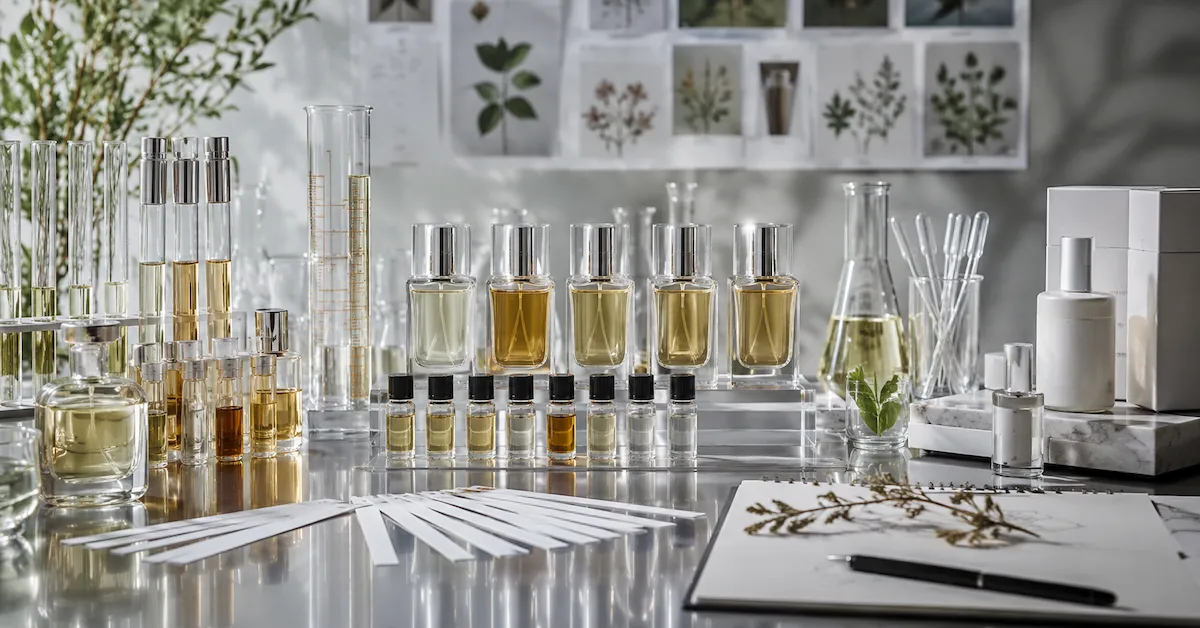
Custom development is suitable when brands need:
- Unique products
- Strong differentiation
- Signature scent identity
- Long-term brand value
When Are Stock Fragrances Suitable?
Stock fragrances may work for:
- Short-term projects
- Low-investment launches
- Businesses testing new markets
However, brands seeking long-term growth usually benefit more from customized fragrance solutions.
How to Choose a Custom Fragrance Manufacturer
Selecting the right partner is one of the most important decisions in fragrance development.
A qualified supplier should have:
Strong R&D Capability
Evaluate:
- Fragrance development experience
- Formula expertise
- Application knowledge
Complete Development Process
Check whether the manufacturer provides:
- Concept development
- Sample creation
- Testing
- Formula optimization
You can learn more about the company’s approach through the fragrance development process.
Quality and Compliance Support
Confirm whether the supplier can provide:
- IFRA documentation
- SDS
- COA
- Quality testing reports
Flexible OEM/ODM Capability
A strong partner should support different cooperation models.
For example:
OEM:
- Customer-led development
- Higher formula control
ODM:
- Manufacturer-supported development
- Complete solution support
Choosing a supplier with both technical capability and flexible services helps brands build long-term partnerships.
Frequently Asked Questions About Custom Fragrance Development
What is custom fragrance development?
Custom fragrance development is the process of creating a unique fragrance formula based on a brand’s requirements, target customers, product application, and market positioning.
How long does custom fragrance development take?
The timeline depends on:
- Formula complexity
- Number of sample adjustments
- Testing requirements
- Customer approval speed
Can brands create their own signature scent?
Yes. Professional fragrance manufacturers can develop exclusive scent profiles based on brand identity and customer preferences.
What information is needed before fragrance development?
Brands should provide:
- Product category
- Target market
- Brand positioning
- Preferred fragrance style
- Performance requirements
How many fragrance samples can manufacturers provide?
The number of samples depends on project requirements. Manufacturers usually provide different fragrance directions for evaluation and adjustment.
What is the difference between custom fragrance and stock fragrance?
Custom fragrance is developed specifically for a brand, while stock fragrance uses existing formulas with limited customization options.
How is fragrance quality tested?
Manufacturers use:
- Stability testing
- Compatibility testing
- Sensory evaluation
- Batch testing
Can one custom fragrance formula be used for different products?
Not always. Different product systems require compatibility evaluation to ensure stable performance.
What certifications should fragrance manufacturers provide?
Common documents include:
- IFRA Certificate
- SDS
- COA
- Allergen Declaration
How do I start a custom fragrance project?
Brands can provide product information and fragrance requirements to a professional supplier for concept discussion, sample development, and project evaluation.
For more answers about fragrance development and manufacturing, visit our fragrance development FAQs.
Conclusion: Building Successful Products Through Custom Fragrance Development
A successful fragrance product starts with a well-structured custom fragrance development process.
From initial concept and formula creation to sample testing, quality control, and commercial production, every stage influences the final product experience.
Working with an experienced fragrance manufacturer allows brands to:
- Create unique scent identities
- Reduce product development risks
- Improve quality consistency
- Meet compliance requirements
- Build long-term market value
Whether you are developing perfume, personal care products, home fragrance, or commercial scent solutions, choosing the right development partner is essential.
If you are planning a new fragrance project and need professional support, contact our fragrance team to discuss your requirements and develop a customized fragrance solution.